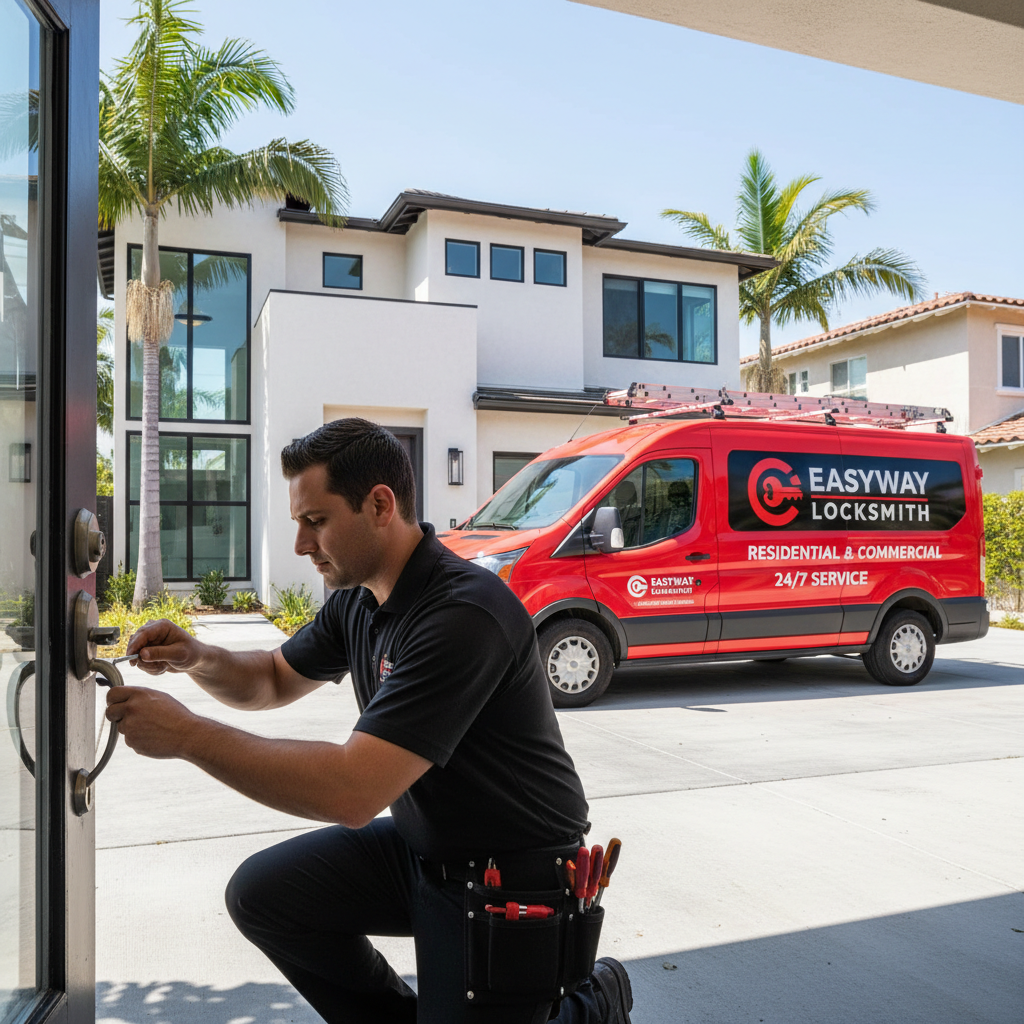
Is Your Home Secure? 7 Lock Vulnerabilities Most LA Homeowners Don't Know About
After 20+ years serving LA, we've identified the 7 most common lock vulnerabilities in Los Angeles homes. Learn how to spot them and fix them before it's too late.
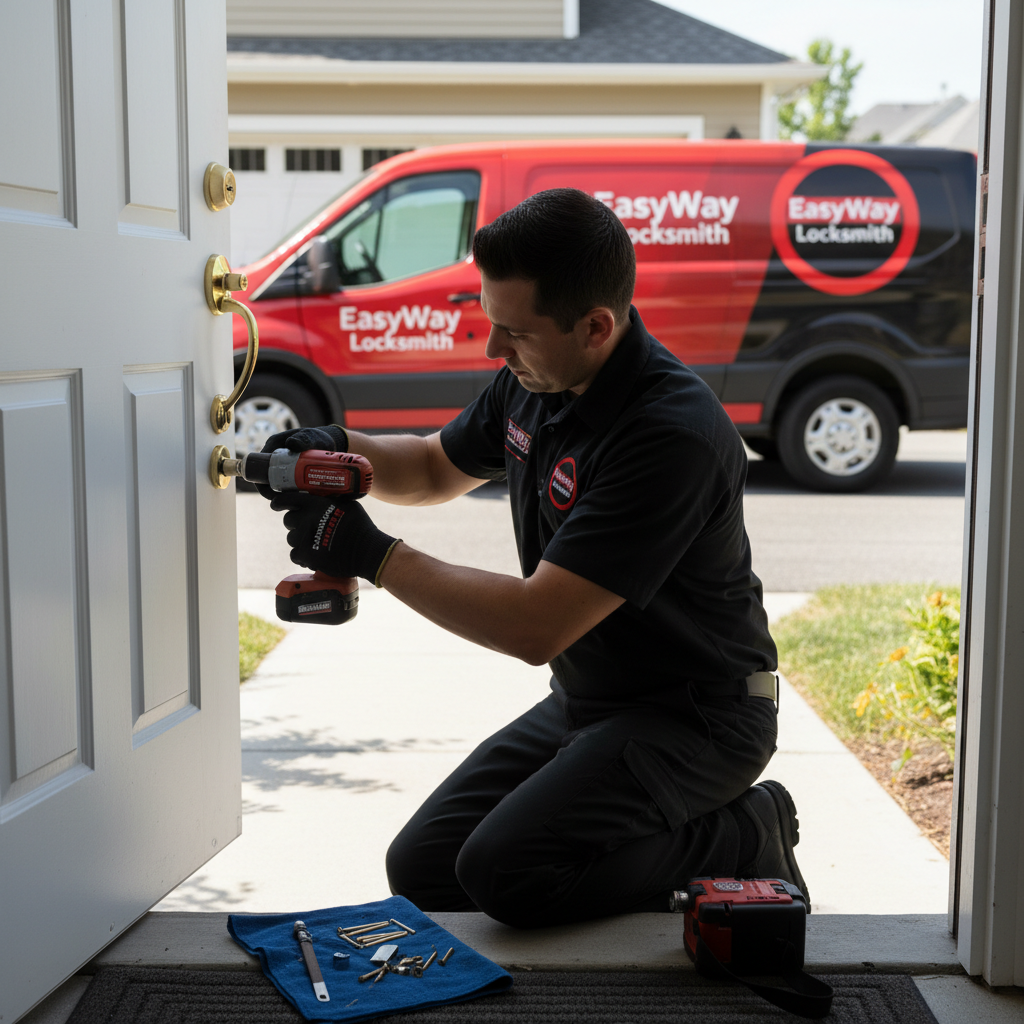
Is Your Home Secure? 7 Lock Vulnerabilities Most LA Homeowners Don't Know About
Los Angeles homeowners invest thousands in security systems, cameras, and smart home tech — but overlook the most basic entry point: their locks.
After 20+ years serving LA, we've seen the same vulnerabilities repeatedly. Here are the 7 most common lock security gaps we find, how to identify them, and exactly what to do to protect your home.
🔍 Vulnerability #1: Old or Worn-Out Locks
The Problem
Locks don't last forever. Over time, internal components wear down, making them easier to pick, bump, or force open.
Signs your locks are worn out:
- Key feels loose or wobbly when inserted
- Key is difficult to turn (requires jiggling or extra force)
- Lock cylinder shows visible wear, rust, or corrosion
- Door doesn't latch smoothly (requires slamming or lifting)
- Lock is 10+ years old and has never been rekeyed or replaced
Why It Matters
Worn locks have looser tolerances, meaning:
- Easier to pick — pins don't align properly
- Easier to bump — old springs don't resist impact well
- More likely to fail — could leave you locked out or locked in
The Fix
Rekey or replace any locks showing wear. Modern locks have:
- Hardened steel inserts (resist drilling)
- Anti-pick pins (make picking exponentially harder)
- Smoother operation (better security + better experience)
🔍 Vulnerability #2: Single-Cylinder Deadbolts on Glass Doors
The Problem
Single-cylinder deadbolts use a key on the outside and a thumb-turn on the inside. This is standard for most doors — but dangerous for doors with glass panels or nearby windows.
The risk: A burglar can break the glass, reach inside, and turn the thumb-turn to unlock the door — all in under 10 seconds.
Why It Matters
- Glass is a weak point — even "security glass" can be broken
- Thumb-turns are accessible — any reachable glass = unlocked door
- Common in LA homes — French doors, patio doors, and entry doors with sidelights are everywhere
The Fix
Install a double-cylinder deadbolt (key required on both sides) for any door with glass within 40 inches of the lock.
Pros:
- Can't be unlocked by breaking glass and reaching in
- Same key operation as your other locks
- Relatively inexpensive upgrade
Cons:
- Fire safety concern — you need the key to exit quickly
- Solution: Keep a key in a secure but accessible location near the door (like a key hook or lockbox)
⚠️ Important: Check your local fire codes. Some jurisdictions restrict double-cylinder deadbolts in certain situations.
🔍 Vulnerability #3: Weak or Short Strike Plate Screws
The Problem
Most doors come installed with ⅝-inch screws in the strike plate (the metal piece attached to the door frame). These short screws only penetrate the door frame trim — not the actual wall studs.
The attack: A burglar kicks the door near the lock. The short screws rip through the trim, and the door swings open — even with a high-security deadbolt.
Why It Matters
- Most forced entries involve kicking or ramming the door
- Short screws = zero structural strength
- Your Call for pricing deadbolt is useless if the frame gives way
The Fix
Replace strike plate screws with 3-inch hardened steel screws. These penetrate through the trim and deep into the wall studs, anchoring the lock to the actual structure of your home.
Installation:
- Remove existing strike plate screws
- Insert 3-inch screws (usually 2-3 per strike plate)
- Tighten firmly (don't overtighten — you can strip the wood)
Pro tip: Also replace the hinge screws on the door itself with 3-inch screws. This prevents the door from being kicked in at the hinges.
🔍 Vulnerability #4: No Deadbolt on the Garage Entry Door
The Problem
The door connecting your garage to your home is often the weakest security link in LA houses.
Common issues:
- Only a knob lock (no deadbolt)
- Hollow-core door (easy to kick through)
- Old, worn lock that's never been upgraded
- No one thinks about it because it's "inside" the garage
Why It Matters
- Garages are targeted — they're out of sight from the street
- Once inside the garage, burglars have privacy and time to break into the home door
- Many people leave garage doors unlocked or slightly open for ventilation
The Fix
- Install a Grade 1 or Grade 2 deadbolt on the garage-to-home door
- Upgrade to a solid-core door if you have a hollow-core door
- Add a smart lock for keyless entry and remote monitoring
- Secure the garage door itself with a smart garage controller or manual lock
🔍 Vulnerability #5: Master Key Systems in Apartment Buildings
The Problem
If you live in an LA apartment complex, your building likely uses a master key system — one key opens all units, and individual keys open only your unit.
The risk:
- Property managers, maintenance workers, and former tenants may have master keys
- Master key systems are easier to pick than individual locks (same pin patterns across units)
- If one unit's key is lost or stolen, the entire building is compromised
Why It Matters
- You don't control access — anyone with a master key can enter
- High turnover = many copies of keys floating around
- False sense of security — you think you're safe, but you're not
The Fix
- Request a rekey when you move in (most landlords allow this)
- Ask your landlord about their key control policies
- Add a secondary lock (like a portable door lock or security bar) for extra peace of mind
- Upgrade to a smart lock (if your lease allows) — you control access codes
🔍 Vulnerability #6: Cheap or "Builder-Grade" Locks
The Problem
Many LA homes — especially newer construction or flipped houses — come with inexpensive builder-grade locks. These are designed to be "good enough" for the initial sale, not for long-term security.
Signs you have builder-grade locks:
- Brand is unknown or generic (no Kwikset, Schlage, Yale, etc.)
- Lock feels lightweight or hollow
- Key is thin, flimsy, or bends easily
- Lock was installed with the home and never upgraded
- Price was under Call for pricing per lock (at time of installation)
Why It Matters
Builder-grade locks often:
- Use soft metals that drill easily
- Have simple pin configurations (easy to pick)
- Lack anti-bump or anti-pick features
- Wear out faster (see Vulnerability #1)
The Fix
Upgrade to Grade 1 or Grade 2 residential locks from reputable brands:
Recommended brands:
- Schlage (excellent security, wide selection)
- Kwikset (good value, SmartKey technology)
- Yale (premium smart locks, traditional options)
- Medeco (high-security, pick-resistant)
- Baldwin (luxury, lifetime warranty)
Look for:
- ANSI Grade 1 or 2 rating (Grade 1 = highest security)
- Hardened steel inserts
- Anti-pick, anti-bump pins
- Lifetime mechanical warranty
🔍 Vulnerability #7: No Key Control or Rekeying After Key Loss
The Problem
Lost your keys? Had a roommate move out? Ended a relationship? Anyone with your old keys can still enter your home — unless you rekey.
Common scenarios:
- Keys lost or stolen (purse snatching, car break-in)
- Roommate or tenant moves out (and keeps their key)
- Ex-partner still has a key
- Housekeeper, dog walker, or contractor had a key and no longer works for you
- You lent your keys to someone and never got them back
Why It Matters
- You don't know who has your keys — and you can't control where copies end up
- Former keyholders could return at any time
- Insurance may not cover theft if keys were "lost" (they assume you should have rekeyed)
The Fix
Rekey your locks immediately after any key loss or change in occupancy.
What is rekeying? Rekeying changes the internal pins of your lock so old keys no longer work. You get new keys, and the old ones are permanently disabled.
Rekey vs. Replace:
- Rekey: Cheaper (Call for pricing per lock), faster (10 minutes per lock), keeps existing hardware
- Replace: More expensive (Call for pricing per lock), upgrades security, changes appearance
When to rekey:
- Lost or stolen keys
- Roommate/tenant moves out
- Breakup or divorce
- Contractor/housekeeper no longer employed
- Moving into a new home (you don't know who has the old keys)
🛡️ Bonus: 5 Quick Security Upgrades Under Call for pricing
Not ready for a full security overhaul? These budget-friendly upgrades provide immediate protection:
1. 3-Inch Strike Plate Screws — Call for pricing
Already covered above. This is the #1 ROI security upgrade you can make.
2. Portable Door Lock — Call for pricing
A small device that blocks the door from opening, even if someone has a key. Great for renters, travel, or extra bedroom security.
3. Security Bar or Door Jammer — Call for pricing
A metal bar that wedges under the doorknob and braces against the floor. Prevents the door from opening even if the lock is compromised.
4. Smart Doorbell Camera — Call for pricing
Ring, Nest, or Arlo doorbells let you see and speak to visitors remotely. Burglars avoid homes with visible cameras.
5. Timer-Controlled Lights — Call for pricing
Set indoor lights to turn on/off at varying times to make your home look occupied when you're away.
📊 Home Security Audit Checklist
Use this checklist to assess your home's lock security:
Exterior Doors:
- [ ] All exterior doors have Grade 1 or 2 deadbolts
- [ ] Deadbolts extend at least 1 inch into the door frame
- [ ] Strike plates are secured with 3-inch screws
- [ ] Door hinges are on the inside (or have non-removable pins)
- [ ] No glass within 40 inches of single-cylinder deadbolts
- [ ] All locks are from reputable brands (not builder-grade)
- [ ] Locks show no signs of wear or damage
Garage:
- [ ] Garage-to-home door has a deadbolt
- [ ] Garage door is secured (manual lock or smart controller)
- [ ] Garage door opener has rolling code technology (not fixed-code)
Windows:
- [ ] All windows have functioning locks
- [ ] Sliding doors have security bars or dowels in the track
- [ ] Second-story windows aren't accessible from ground-level structures
Key Control:
- [ ] You know exactly who has copies of your keys
- [ ] You've rekeyed after any key loss or occupancy change
- [ ] Spare keys are stored securely (not under doormats or in fake rocks)
Smart Upgrades:
- [ ] Consider smart locks for keyless entry and remote monitoring
- [ ] Doorbell camera installed and functioning
- [ ] Motion-sensor lights around entry points
📞 Free Security Assessment from EasyWay Locksmith
Not sure where your vulnerabilities are? We'll come to your home and provide a free, no-obligation security assessment.
What we'll check:
- All exterior locks (type, condition, security rating)
- Door frames and strike plates
- Garage entry points
- Window locks and sliding door security
- Recommendations for upgrades (with upfront pricing)
EasyWay Locksmith Advantages:
✅ Licensed, Bonded & Insured — LCO 7615
✅ 20+ Years Serving Los Angeles
✅ Free Security Assessments
✅ Upfront Pricing — No Surprises
✅ Same-Day Service Available
✅ 1-Year Workmanship Warranty
📞 Call (818) 616-(818) 614-5134 or Book Your Free Assessment today.
Frequently Asked Questions
How often should I rekey my locks?
Rekey whenever keys are lost, stolen, or when someone with access moves out (roommate, tenant, ex-partner). If no changes occur, rekeying every 5–7 years is a good preventive measure.
What's the difference between rekeying and replacing a lock?
Rekeying changes the internal pins so old keys no longer work — you keep the same hardware. Replacing installs entirely new locks. Rekeying is cheaper and faster; replacing upgrades security and appearance.
Are smart locks more secure than traditional locks?
Smart locks offer different security benefits: remote monitoring, temporary access codes, auto-locking, and no keys to lose. However, they rely on batteries and WiFi. We recommend smart locks from reputable brands (August, Yale, Schlage) and keeping a physical key as backup.
What's a Grade 1 deadbolt?
ANSI Grade 1 is the highest security rating for residential locks. Grade 1 deadbolts withstand more force, have more secure pin configurations, and are built with higher-quality materials than Grade 2 or 3. We recommend Grade 1 for all exterior doors.
Can you rekey all types of locks?
Most traditional pin-tumbler locks can be rekeyed. Some exceptions include certain high-security locks (Medeco, Mul-T-Lock) that require specialized tools, and electronic/smart locks that use digital access codes instead of physical keys.
Your home is your sanctuary — don't let vulnerable locks put it at risk. EasyWay Locksmith has protected LA homes for over 20 years. Let us make sure yours is secure.
📞 Call (818) 616-(818) 614-5134 or Schedule Your Free Security Assessment now.
Need a locksmith right now?
Licensed technicians at your door in under 20 minutes — 24/7 across Los Angeles.